Work Related Learning and Careers Education, Information, Advice and Guidance
Careers education is an important part of the learning experience at Mill House School. Our programme ensures pupils are equipped with the knowledge and skills they need to make informed decisions about their next steps and their future careers.
We provide a progressive careers programme from Year 7 through to Year 13, ensuring pupils receive impartial advice and guidance appropriate to their age, ability and aspirations:
- PSHE and Employability lessons
- Assemblies and themed Super Learning Days
- One-to-one guidance interviews
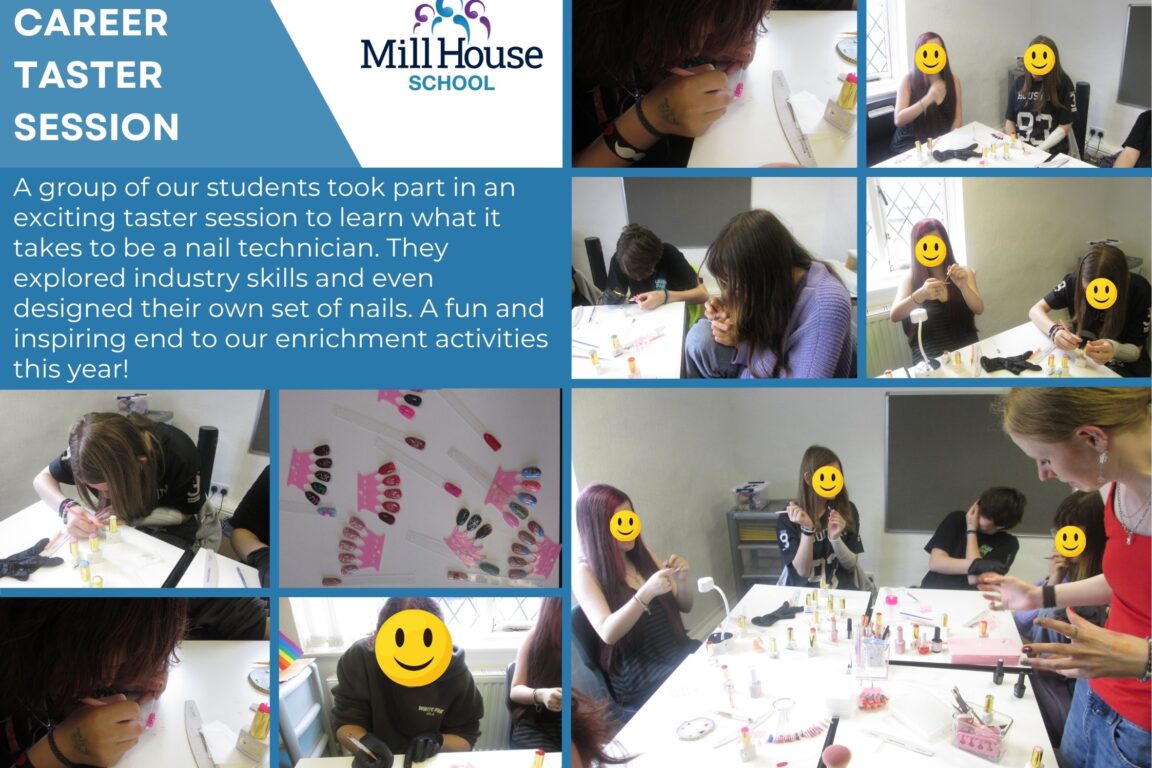
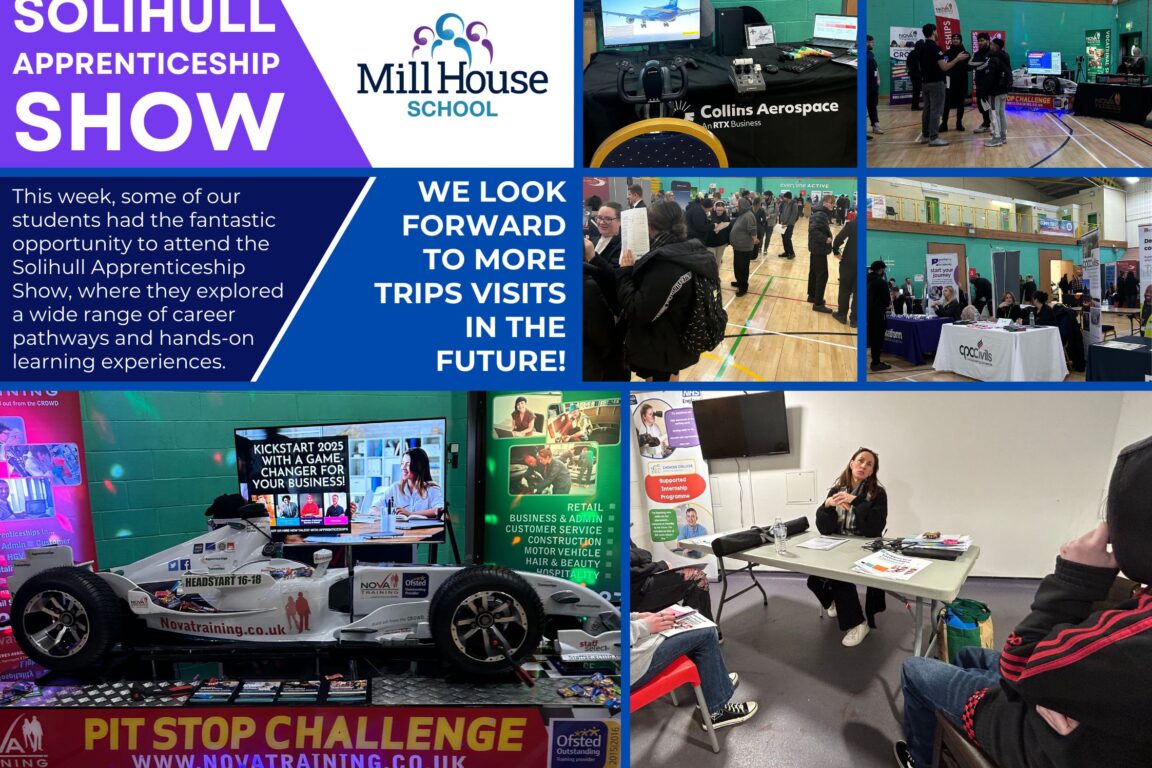
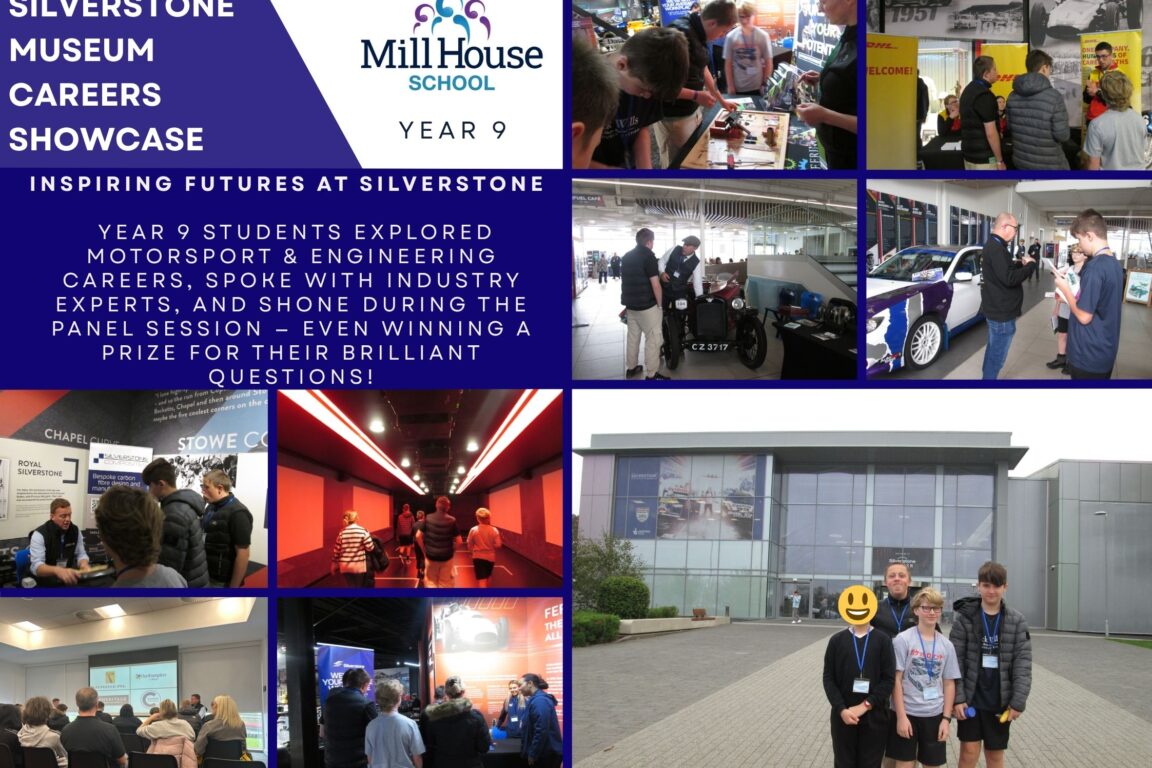
- Encounters with employers, colleges, and training providers
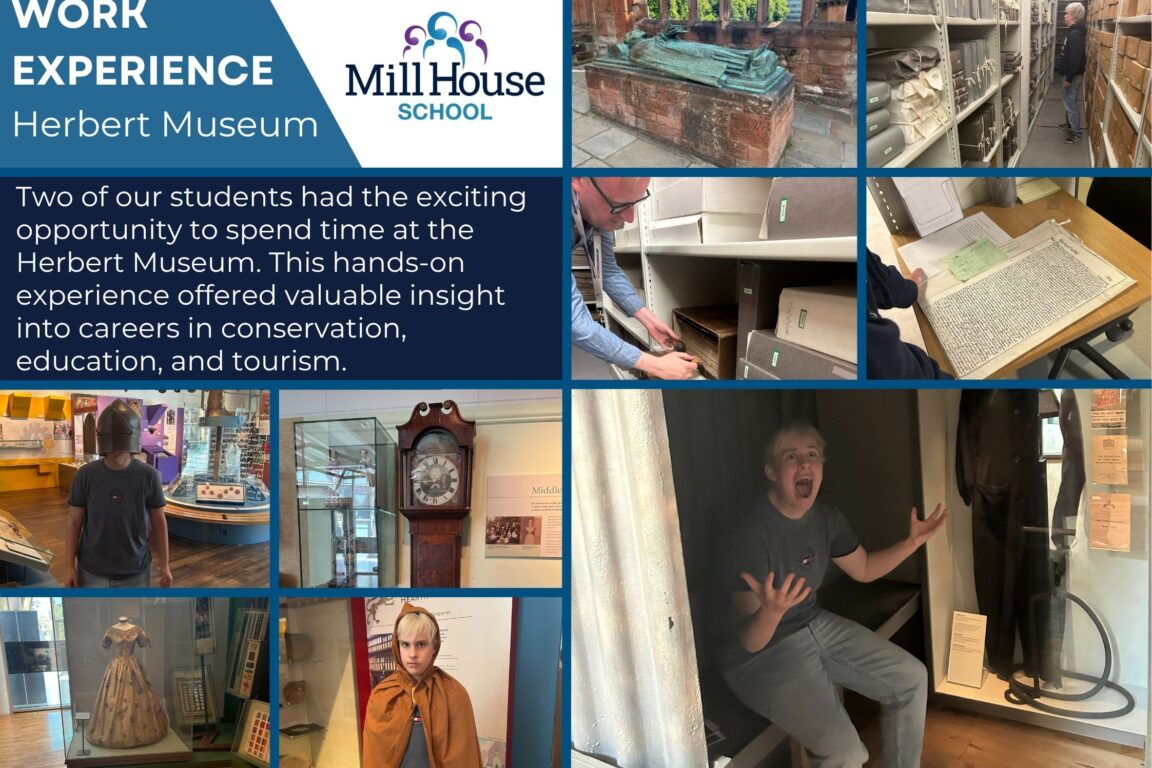
- Work experience opportunities
- Targeted support from external agencies and our independent careers advisor
The programme is reviewed regularly to ensure alignment with the Gatsby Benchmarks, statutory guidance, and the updated Provider Access Legislation (PAL, 2023).
Aims of Our Careers Programme
Our programme ensures that all pupils:
- Access a planned, progressive, and inclusive careers programme
- Receive independent and informed careers advice
- Access up-to-date information about further and higher education, apprenticeships, training, and employment
- Understand the opportunities available to them locally, nationally and internationally
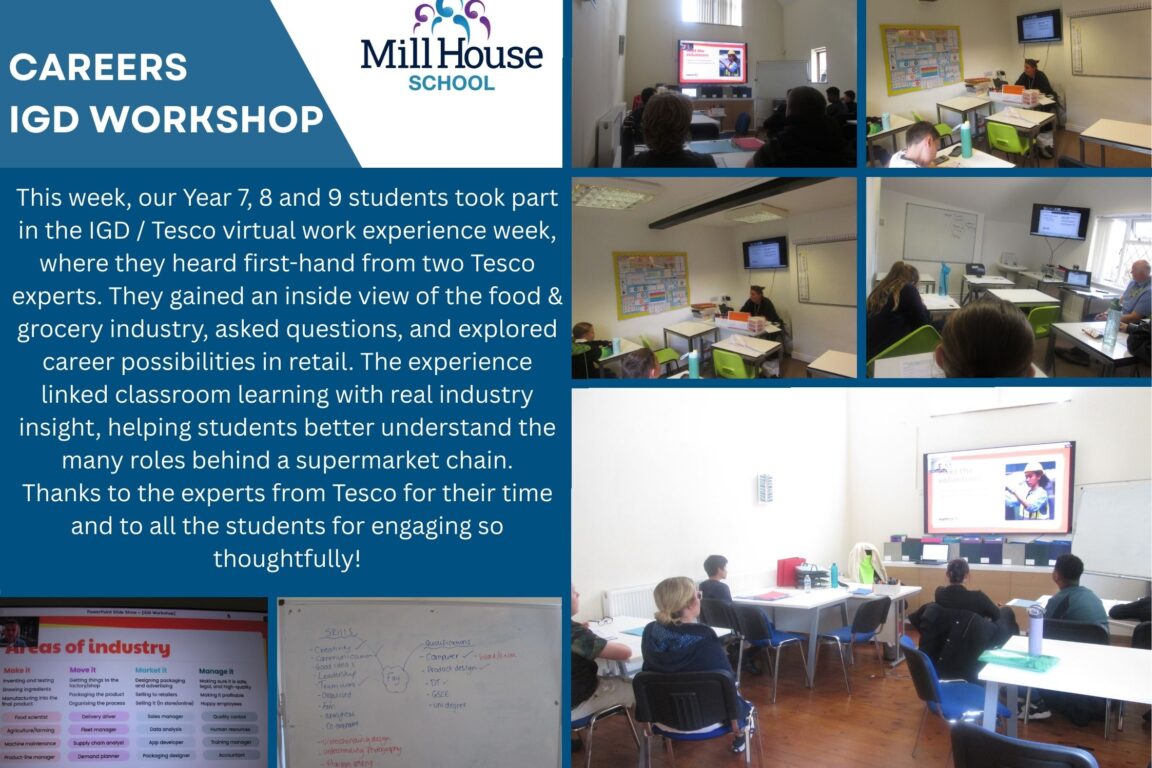
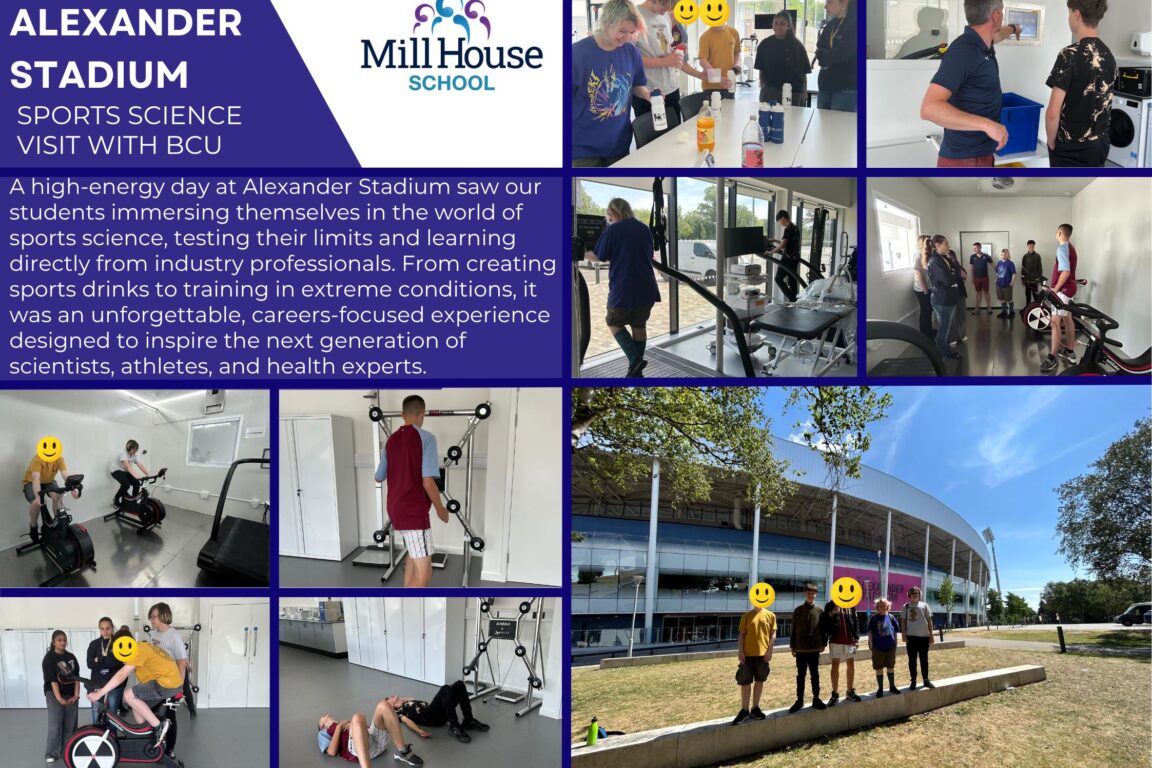
- Learn from employers about work, skills and workplace expectations
- Experience the workplace first-hand
- Develop employability skills, confidence and aspiration
- Are supported in raising their ambitions and achieving their goals.
Key Stage 3 Provision
Careers education is delivered through PSHE lessons and curriculum-based activities where pupils begin exploring their interests, strengths and skills.
- Year 9 pupils are offered a one-to-one meeting with a qualified, independent careers advisor to support their Key Stage 4 option choices.
Key Stages 4 and 5 Provision
Careers education in Key Stages 4 and 5 is delivered through PSHE, employability sessions, super learning days, and the King’s Trust Achieve Programme, all designed to support pupils in developing workplace readiness.
Pupils will have opportunities to:
- Create a CV
- Write formal application letters
- Practise interview techniques
- Explore further education and training pathways
- Develop a personalised career plan
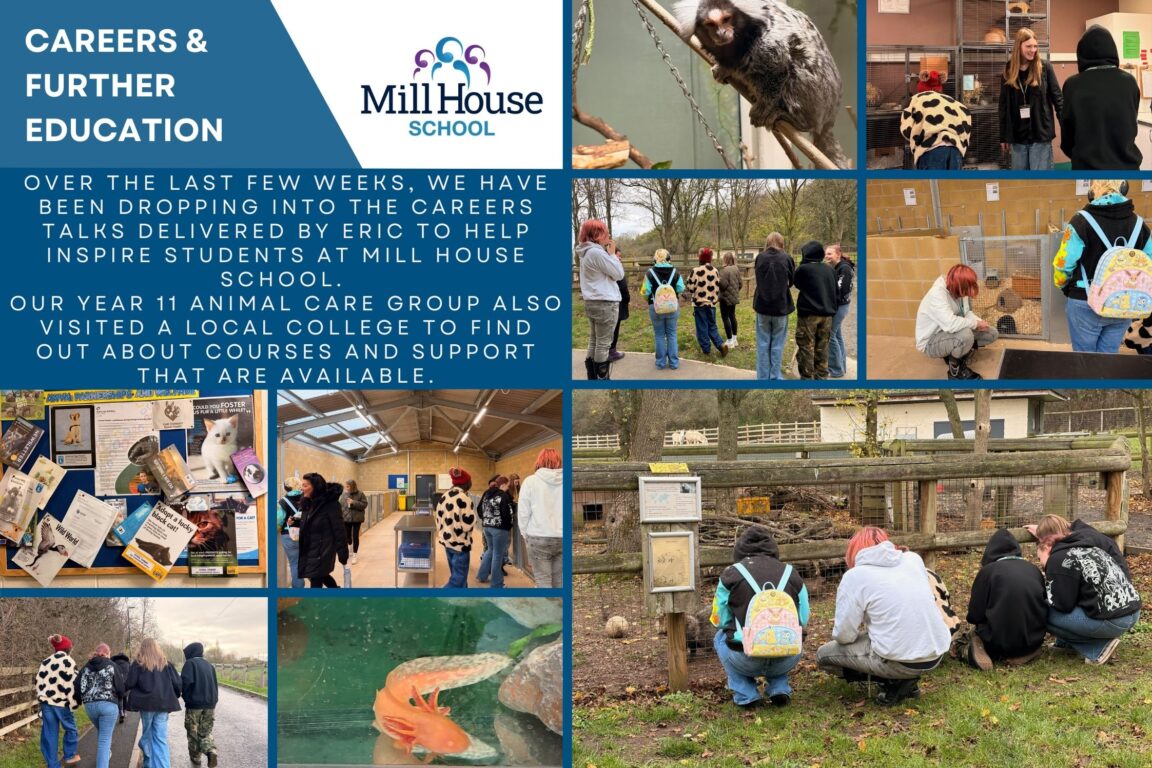
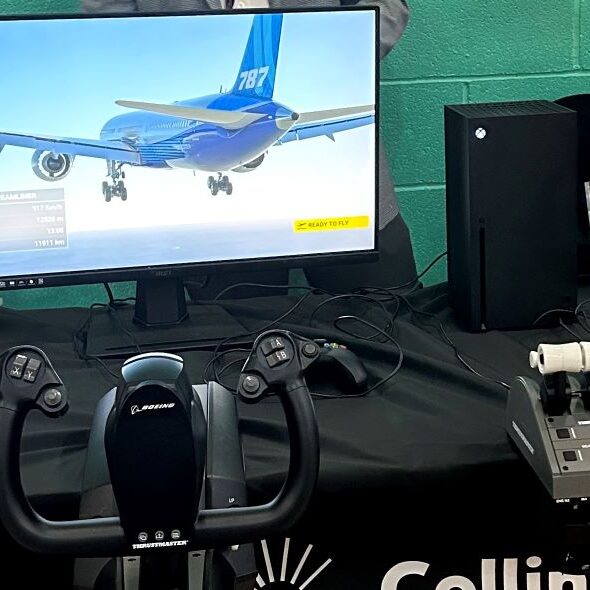
- Meet employers, colleges, and training providers
- Access both in-person and virtual work experience opportunities
Supporting Pupils with SEND
Careers guidance is personalised to meet the needs of each pupil. We work closely with families, employers, colleges, training providers and external agencies to ensure that aspirations are raised and that pupils are prepared for successful transitions into further education, supported internships, apprenticeships, employment or adult services where appropriate.
Work Experience (Years 11–13)
Work experience is an essential part of our careers programme, helping pupils explore career interests, develop employability skills, and gain first-hand experience of the workplace, in line with Gatsby Benchmark 6.
Arranging Work Experience
Work experience at Mill House School is a partnership between pupils, parents/carers, and the school. While the school provides guidance and preparation and ensures all placements meet health, safety, and safeguarding standards, it is not solely the school’s responsibility to find a placement.
- Pupils are encouraged to identify workplaces they are interested in with support from their parents/carers.
- The school liaises with employers to confirm the placement is appropriate, completes all necessary checks and provides guidance on health and safety, insurance and safeguarding. Many of our work experience placements are supervised by Mill House School staff.
- For pupils who cannot secure a placement independently, the school provides additional support to help them access a suitable in-person or virtual work experience opportunity.
This approach ensures that pupils take an active role in exploring their career interests while remaining fully supported by the school and their families.
In-Person Work Experience
Pupils who secure in-person placements receive guidance on:
- Workplace expectations and responsibilities
- Health and safety and safeguarding procedures
- How to record and reflect on their learning
- Linking the experience to CVs, personal statements and future applications.
Staff are available to support pupils throughout the placement and parents/carers may be involved in communications or arrangements where needed.
Virtual Work Experience
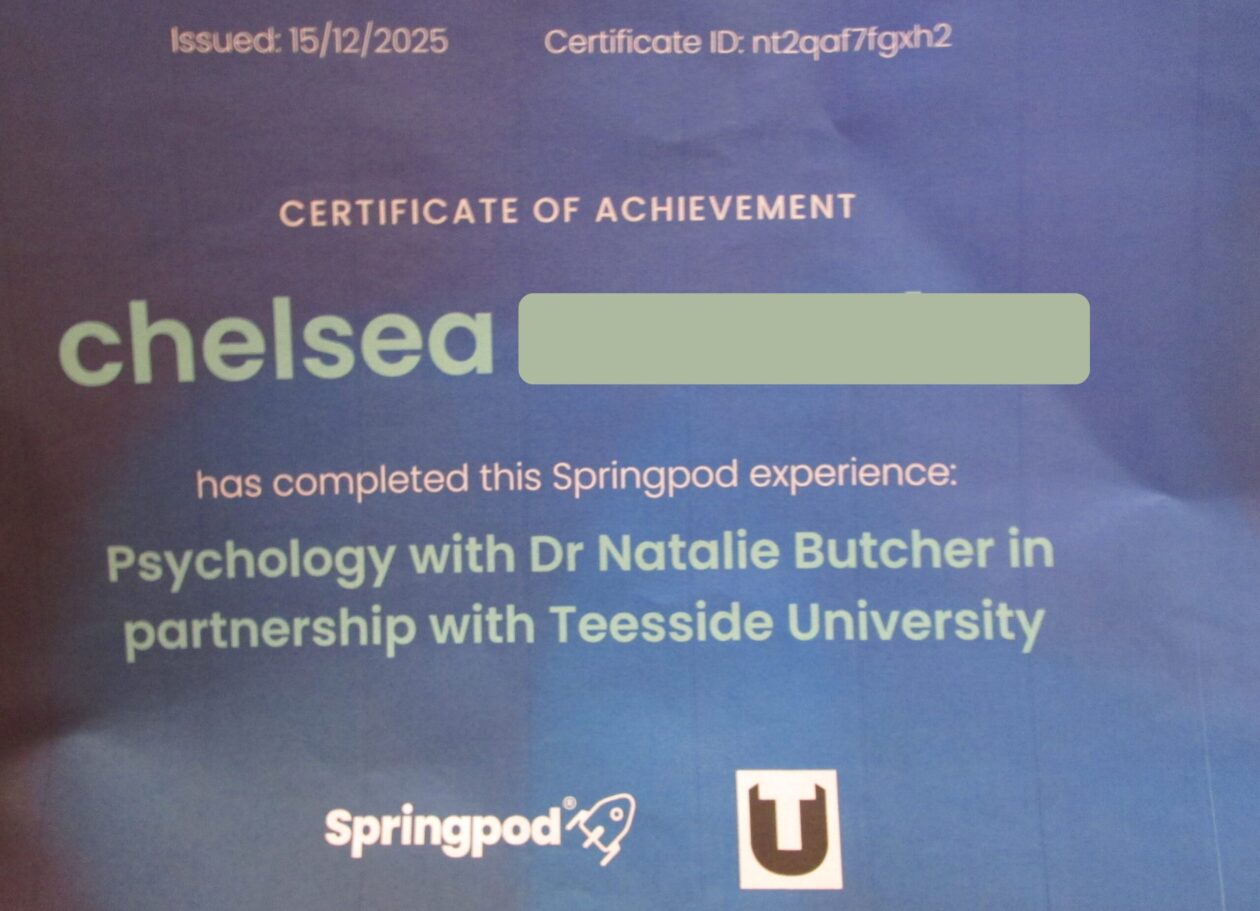
For pupils unable to access in-person placements, virtual work experience is offered through high-quality, reputable platforms such as:
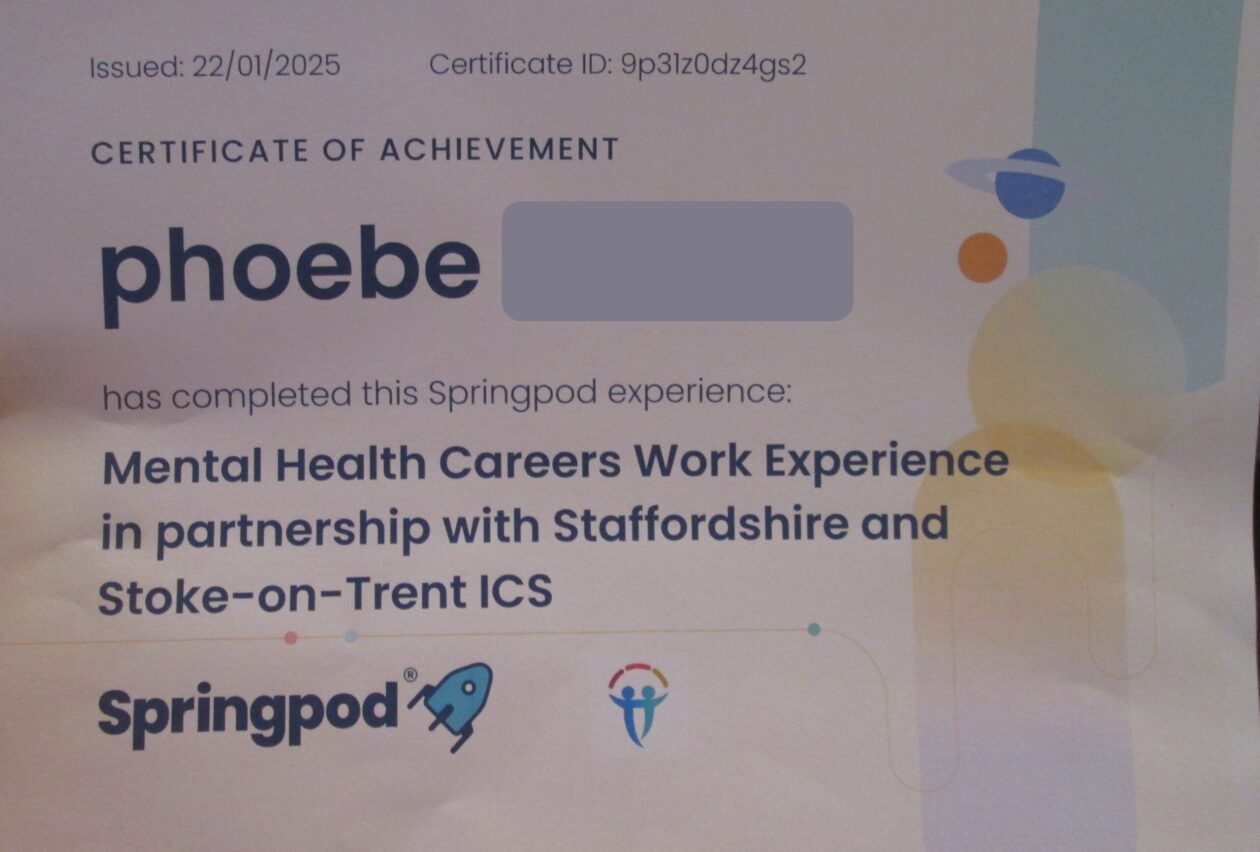
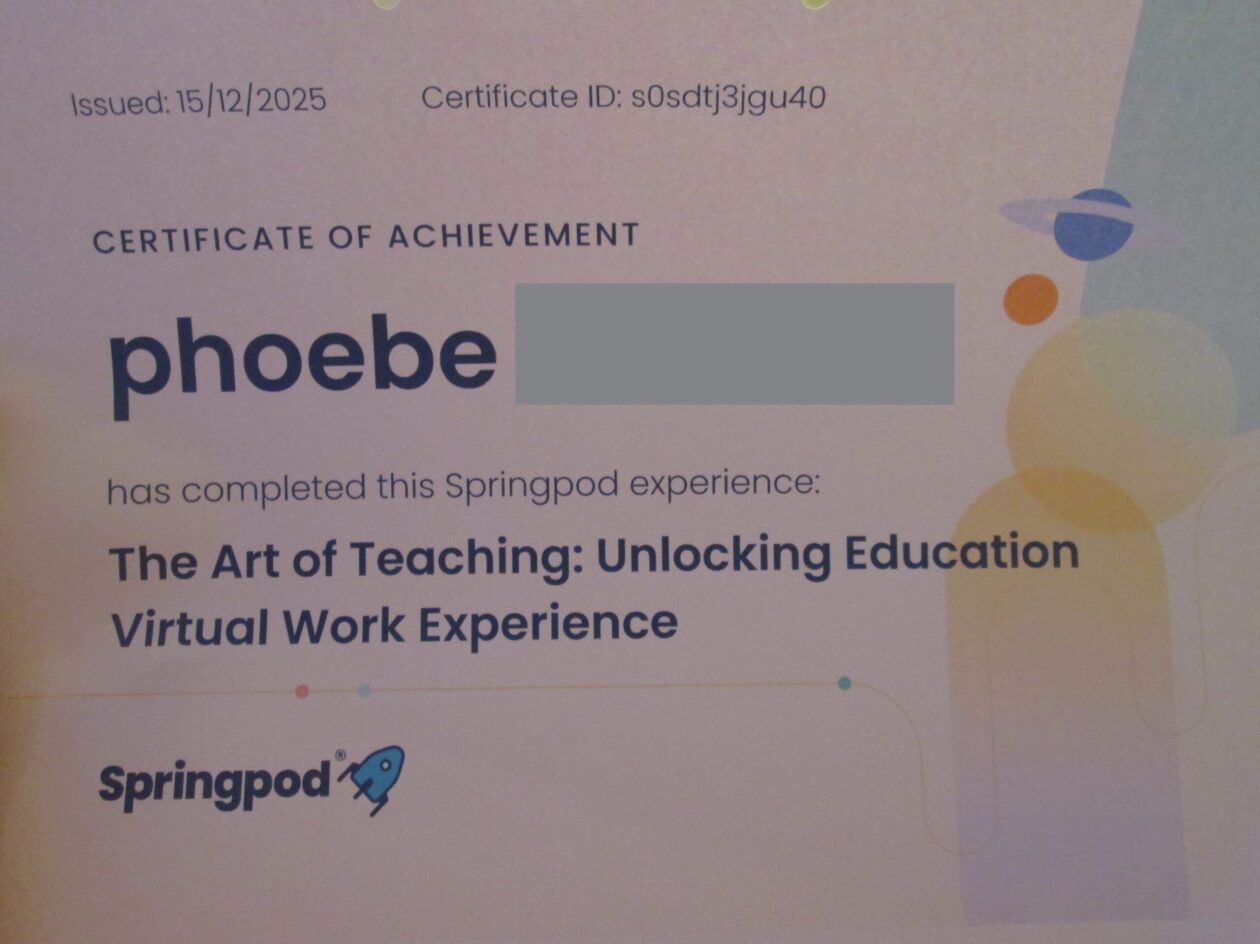
- SpringPod – interactive programmes with live sessions and certificates
- Speakers for Schools – virtual and in-person experiences with top employers
- Forage – bite-sized virtual placements with global employers
Virtual placements allow pupils to gain career knowledge, explore different sectors and develop employability skills, while remaining fully supported by school staff.
Recording and Reflection
All work experience, whether in-person or virtual, is recorded in pupils’ career portfolios. Pupils are encouraged to reflect on the skills they have developed, the insights gained about careers, and how their experience informs their future pathways.
External Agencies and Partners
CEIAG is delivered in collaboration with:
- Our external independent careers advisor
- Local colleges and sixth forms
- Employers, voluntary organisations and training providers
- Community partners and local authorities
We support pupils with individual college tours, transition meetings, SEN support discussions and admissions guidance. Staff accompany pupils and parents/carers where appropriate.
Provider Access Legislation (PAL)
The updated Provider Access Legislation (PAL) requires schools to provide six encounters with approved technical education and apprenticeship providers:
- Two encounters during the first key phase (Years 8-9), mandatory for all pupils
- Two encounters during the second key phase (Years 10-11), mandatory for all pupils
- Two encounters during the third key phase (Years 12-13), which the school must arrange and make available to students
Mill House School fully supports this requirement to ensure pupils are informed about apprenticeships, T Levels, Higher Technical Qualifications and other technical education pathways.
Destinations Tracking
We track and review pupil destinations after leaving Mill House School to evaluate the effectiveness of our careers programme and support continuous improvement.
Careers Leader
Corinne Clarke
Personal Development and Careers Lead
Email: c.clarke@millhouseschool.co.uk
Independent Careers Adviser
Jainn-Ann Wearing